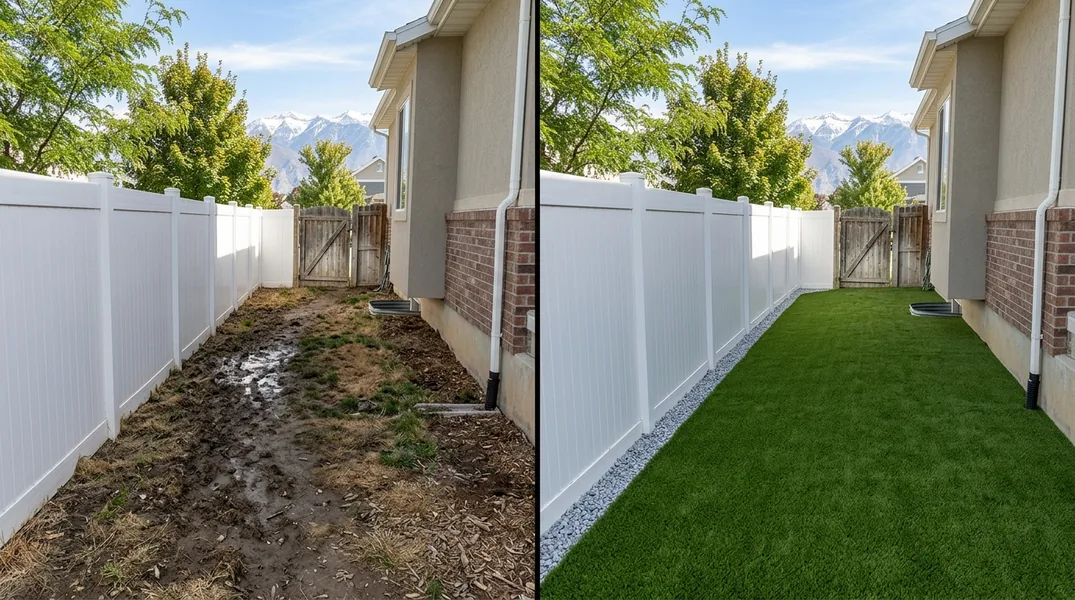
Understanding HOA Regulations for Artificial Grass in Utah
If you live in a homeowners association community in Salt Lake City, you know that HOA rules govern everything from paint colors to landscaping choices. Artificial grass has become an increasingly popular option for Utah homeowners seeking to conserve water and reduce maintenance, but many HOAs have specific guidelines about what types of turf are acceptable. Understanding these regulations before you invest in Residential Artificial Grass Installation is essential to avoid costly mistakes or having to remove newly installed turf.
The good news is that most modern HOAs in the Salt Lake City area are becoming more supportive of artificial grass, especially as Utah faces ongoing water conservation challenges. However, each HOA operates independently with its own architectural review board and design standards. Some associations embrace water-wise landscaping as part of their community values, while others maintain stricter traditional landscaping requirements. Before you schedule an installation, you'll need to review your HOA's covenants, conditions, and restrictions (CC&Rs) and understand their submittal and approval process.
Front Yard Artificial Grass and HOA Approval: What You Need to Know
Front yard landscaping is typically the most scrutinized area by HOAs because it affects the overall curb appeal of the neighborhood. If you're considering front yard artificial grass, your HOA will likely require approval before installation begins. This process usually involves submitting detailed plans to the architectural review committee, including photos of the proposed turf color, texture, and how it will integrate with your home's existing landscape design.
Many HOAs have specific requirements about artificial grass appearance. They may require that the turf closely mimics natural grass in color and texture, or they might specify acceptable brands or quality standards. Some associations limit artificial grass to backyard use only, while others allow it throughout the property. The key is to communicate early and often with your HOA board. Request a copy of their landscaping guidelines and ask whether artificial grass has been previously approved in your community. If it has, you can often reference those approvals as precedent when submitting your own application. If your HOA has never approved artificial grass, be prepared to provide educational materials about modern turf quality and water conservation benefits to support your case.
HOA Turf Rules in Utah: Water Conservation and Sustainability
Utah's arid climate and periodic drought conditions have made water conservation a priority for both state agencies and local HOAs. Many associations in the state have updated their landscaping rules to encourage or even require water-wise alternatives to traditional grass. This shift in perspective has made artificial grass a more defensible choice when requesting HOA approval. If your HOA's rules mention sustainability, water conservation, or drought-resistant landscaping, you have a strong argument for installing synthetic turf.
When presenting your case to the HOA board, emphasize the environmental benefits. Artificial grass eliminates the need for weekly watering, fertilizers, and pesticides. For a typical residential lawn in Utah, this can save thousands of gallons of water annually. Many HOAs are now recognizing that supporting water-wise landscaping aligns with state conservation goals and can even enhance property values. If your HOA hasn't explicitly addressed artificial grass in their rules, this is an opportunity to frame your installation as a forward-thinking, community-minded choice. Document the water savings, maintenance reduction, and long-term durability of modern artificial turf to make your submittal as compelling as possible.
The HOA Submittal Process: Step-by-Step Approval Guide
Most HOAs follow a formal submittal process for landscape modifications. Typically, you'll need to complete an architectural review form, provide detailed drawings or photos of your proposed installation, and submit everything to the HOA's architectural review committee. The timeline for approval usually ranges from two to four weeks, though some associations move faster. Start by contacting your HOA management company or board president to request the official submittal form and current landscaping guidelines.
When preparing your submittal, include high-quality photos of your front yard from multiple angles, samples of the artificial grass you plan to install, and a detailed description of the installation scope. Be specific about dimensions, product specifications, and how the new turf will complement your home's landscape. If you're working with Salt Lake City Turf Installation, we can provide professional photos and specifications that meet HOA requirements. Many boards approve applications more readily when they see that an experienced, fully insured installer is handling the project. Include contact information for your installer and offer to attend the review meeting if the board has questions. This proactive approach demonstrates that you've thought through the project carefully and respect the HOA's review process.
Common HOA Objections to Artificial Grass and How to Address Them
Even as artificial grass becomes more popular, some HOA boards still harbor concerns about synthetic turf. Common objections include worries about aesthetic quality, concerns that artificial grass looks fake or plastic, questions about drainage and environmental impact, and uncertainty about long-term durability. Understanding these concerns allows you to address them proactively in your submittal. Modern artificial grass has come a long way in recent years. Today's products feature realistic color variations, natural-looking blade textures, and sophisticated drainage systems that prevent water pooling and environmental problems.
If your HOA raises concerns about appearance, provide samples from multiple angles and in different lighting conditions. Many people are surprised by how natural high-quality artificial grass looks when installed properly. Address drainage concerns by explaining that professional installations include permeable backing and base layers that allow water to drain efficiently. If the board worries about durability, share information about UV resistance, warranty coverage, and the 15 to 20-year lifespan of quality turf products. Bring documentation from reputable manufacturers and consider inviting board members to see a recently completed installation in a nearby neighborhood. Sometimes a real-world example is the most persuasive argument.
Working with a Professional Installer: Why HOAs Prefer Insured Turf Installers
HOA boards are more likely to approve artificial grass installations when they're handled by established, professional contractors. This is because insured installers understand local regulations, follow industry best practices, and carry liability insurance. Salt Lake City Turf Installation has extensive experience navigating HOA approval processes throughout the region. We can help you prepare your submittal, provide professional documentation, and ensure your installation meets all HOA requirements and local codes.
When you partner with an experienced installer, you benefit from their knowledge of what HOAs typically require and approve. We can advise you on turf selection, installation methods, and design choices that align with your community's standards. If you're ready to move forward with your project, contact us at (385) 341-8218 or request a free estimate. We'll guide you through the entire process, from initial planning through HOA approval and final installation. Our goal is to help you achieve the beautiful, water-efficient landscape you want while maintaining a positive relationship with your HOA board.
Looking for a professional artificial grass installation company in Salt Lake City? Salt Lake City Turf Installation responds fast for all your artificial grass installation needs.
Get a Free Quote