Why Wasatch Front Homeowners Face a Real Yard Dilemma
If you own a home in Salt Lake City or the surrounding Wasatch Front communities, you've probably noticed something: maintaining a lush green lawn here is no joke. The region's semi-arid climate, intense summer heat, and hard water create genuine challenges for traditional grass. Yet the desire for an attractive, functional outdoor space remains strong. Families want a safe place for children to play. Pet owners need a durable surface. And many homeowners simply love the aesthetic of a well-maintained yard.
The good news is that you have real options beyond the standard approach of fighting nature with endless watering. Understanding the differences between artificial turf, Kentucky bluegrass, and xeriscaping will help you make an informed decision that aligns with your lifestyle, budget, and environmental values. Each approach has genuine strengths and honest trade-offs worth exploring before you commit.
Kentucky Bluegrass: The Traditional Choice for Utah Lawns
Kentucky bluegrass has long been the go-to choice for Salt Lake City and Utah lawns, and there are legitimate reasons why. This cool-season grass thrives in the Wasatch Front's climate, establishing deep root systems that help it survive our cold winters and dry summers better than warm-season alternatives. It's a hardy, self-repairing grass that recovers from foot traffic and minor damage through rhizome spread, making it ideal if you have children or pets who will be using the lawn regularly.
However, maintaining Kentucky bluegrass in Utah requires serious commitment. During peak summer months, you're looking at watering twice weekly or more, which translates to significant water bills and genuine environmental impact in a region where water is precious. The grass also demands regular fertilization, mowing, aeration, and weed control. Over a five to ten year period, these maintenance costs add up substantially. Additionally, Kentucky bluegrass can struggle during extreme drought years, turning brown and requiring even more intensive care to recover. If you enjoy outdoor yard work and have the time and budget for regular maintenance, Kentucky bluegrass can deliver that classic lawn aesthetic you're seeking.
Artificial Turf vs Real Grass: The Modern Comparison
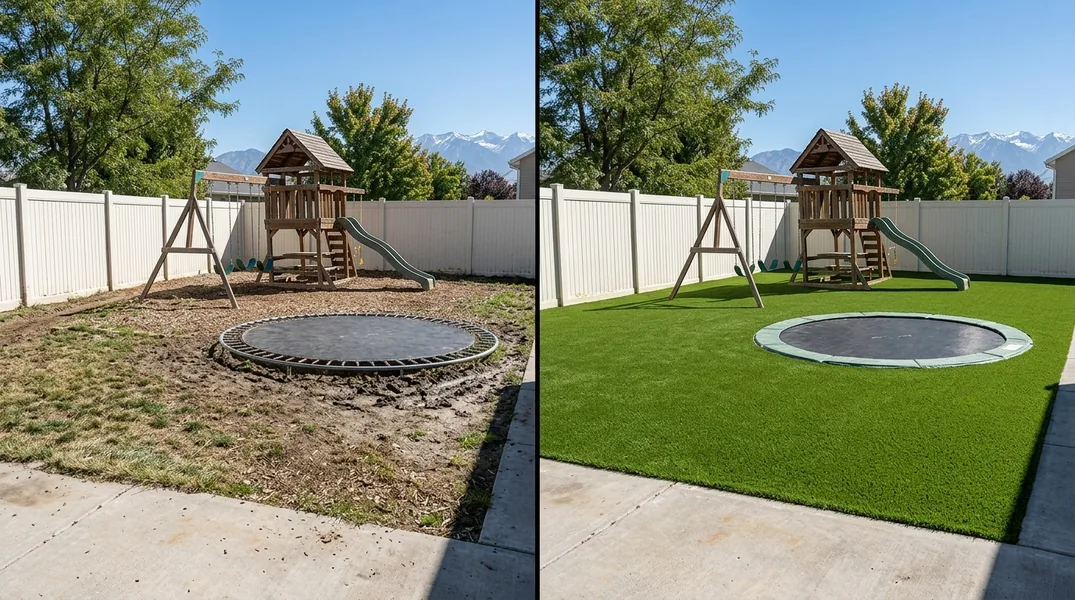
When comparing Residential Artificial Grass Installation to natural grass, the conversation has evolved dramatically over the past decade. Modern artificial turf no longer looks plastic or feels artificial underfoot. Today's premium synthetic grass products feature realistic color variation, natural texture, and drainage systems that perform beautifully in Utah's climate. The turf doesn't require watering, mowing, fertilizing, or pest control, which eliminates the ongoing maintenance burden entirely.
From a practical standpoint, artificial turf offers significant advantages for busy Wasatch Front homeowners. Water savings alone can justify the initial installation investment within five to seven years, particularly if you live in an area with higher water rates or during drought restrictions. The surface remains green and attractive year-round, even through Utah's harsh winters. If you have pets, Pet Turf & Dog Run Installation is specifically designed to handle the wear and waste that real grass cannot tolerate. You'll also see no mud, no bare patches, and no seasonal brown-out periods.
The primary consideration with artificial turf is upfront cost and the reality that it will eventually require replacement after 15 to 20 years of use. Some homeowners also express environmental concerns about synthetic materials, though modern turf is increasingly recyclable and uses less water than the natural grass alternative in an arid climate. For families who want a low-maintenance, attractive yard without the constant upkeep, artificial turf represents a genuinely practical solution.
Xeriscaping: The Water-Wise Alternative for Utah
Xeriscaping represents a fundamentally different approach to landscaping, one that embraces Utah's natural environment rather than fighting it. This drought-tolerant landscaping philosophy uses native and adapted plants, decorative rock, mulch, and hardscaping elements to create visually interesting outdoor spaces that require minimal water and maintenance. In the Wasatch Front region, xeriscaping can include native wildflowers, ornamental grasses, shrubs like serviceberry and rabbitbrush, and strategic use of stone and gravel.
The environmental benefits of xeriscaping are substantial. Once established, a well-designed xeriscape uses a fraction of the water required for traditional lawns or even artificial turf installation. You're supporting local ecosystems by planting native species, reducing chemical runoff, and creating habitat for pollinators and wildlife. The aesthetic can be stunning, with layered textures, seasonal color changes, and a sense of harmony with the landscape. Many Utah homeowners find that xeriscaping actually feels more connected to the region's natural beauty than a monoculture lawn ever could.
The trade-off is that xeriscaping requires thoughtful design and initial planning. You need to choose plants appropriate for your specific microclimate and sun exposure. There's still some maintenance involved: seasonal pruning, occasional weeding, and plant replacement if something doesn't thrive. Additionally, not every homeowner finds the aesthetic appealing, particularly if they have young children who need open lawn space for play. Xeriscaping works best when you're committed to the philosophy and willing to invest in quality design upfront.
Residential Artificial Grass Installation Cost in Salt Lake City: What to Budget
Understanding the financial reality of each option is essential for making your decision. Kentucky bluegrass has the lowest upfront cost, essentially free if you already have grass, but the cumulative expense of water, fertilizer, equipment, and potential professional maintenance can easily reach two to three thousand dollars annually. Over a decade, that's a significant investment without any tangible asset at the end.
Xeriscaping typically requires an initial investment of two to five thousand dollars depending on the size of your yard and the complexity of the design, but ongoing maintenance costs are minimal, often just a few hundred dollars annually. The long-term financial picture is generally favorable, and you're building an increasingly established landscape that becomes more beautiful and resilient over time.
Artificial turf installation generally costs between four to ten thousand dollars for a typical residential yard, depending on yard size, existing conditions, and the quality of the turf product selected. While this seems substantial upfront, the absence of water bills, maintenance costs, and equipment expenses means you break even within five to seven years in most cases. After that point, you're essentially living with a free lawn. For detailed information about your specific situation, reach out for a free estimate from Salt Lake City Turf Installation, or call us at (385) 341-8218 to discuss your yard and budget.
Which Option Is Right for Your Wasatch Front Home?
The honest answer is that the best choice depends on your specific circumstances, values, and lifestyle. If you genuinely enjoy yard work, have time available, and want the lowest upfront cost, Kentucky bluegrass remains a valid choice. If you're passionate about native plants, environmental stewardship, and creating a landscape that reflects Utah's natural beauty, xeriscaping deserves serious consideration. If you want a beautiful, functional yard with minimal ongoing effort and maintenance, artificial turf is the practical modern solution.
Consider asking yourself these questions: How much time do you want to spend on yard maintenance? What's your water consciousness? Do you have pets or young children who need durable playing surfaces? What's your budget for both initial installation and ongoing costs? Are you planning to stay in your home long-term? Your answers will naturally point you toward the right solution for your family. If you're leaning toward artificial turf and want to explore the option further, Salt Lake City Turf Installation serves Salt Lake City, Millcreek, Murray, Taylorsville, and surrounding communities. We're here to answer your questions and help you understand whether artificial turf makes sense for your specific situation. Contact us today at (385) 341-8218 or visit our website to schedule a consultation.
Looking for a professional artificial grass installation company in Salt Lake City? Salt Lake City Turf Installation responds fast for all your artificial grass installation needs.
Get a Free Quote